


At Gener8 Reproduction, we offer industry-leading reproductive services designed to optimize fertility, improve genetic outcomes, and support the success of your breeding program. We also offer large animal veterinary services.

BULLCHECK Accredited 

Soundness examinations are an effective way to assess bull reproductive health, useful for pre-sale checks on young bulls or investigating fertility issues. Our veterinarians are BULLCHECK Accredited and can take a detailed history before evaluating five key areas: a general physical and reproductive tract exam, testes and scrotal circumference measurement, a serving assessment to check libido and mating ability (on-farm or on-centre), collection and crush-side semen assessment, and laboratory sperm morphology analysis. We recommend all five assessments, especially for high-value bulls, those used as single sires, or bulls with heavy mating loads.

Custom Semen Collection & Processing for Domestic Use Only

At Gener8 Reproduction, we tailor semen collection and processing to each bull’s individual needs. Every bull is assessed on arrival for semen production, quality, and physical condition, and a personalised program is designed covering accommodation, nutrition, collection methods, and processing options. This ensures semen quality is optimised for the best reproductive outcomes. All samples are assessed, processed, re-assessed, packaged, inventoried, and ready to ship within 48 hours, with detailed Semen Morphology Reports available on request.

Prefer to collect semen at your own property?

Gener8 Reproduction offers a professional on-farm semen collection service. Our trained staff will collect and transport semen directly from your farm to our centre for full evaluation and processing. Alternatively, your veterinarian can perform the collection, and we’ll handle the rest - ensuring your semen is processed to the highest standards.

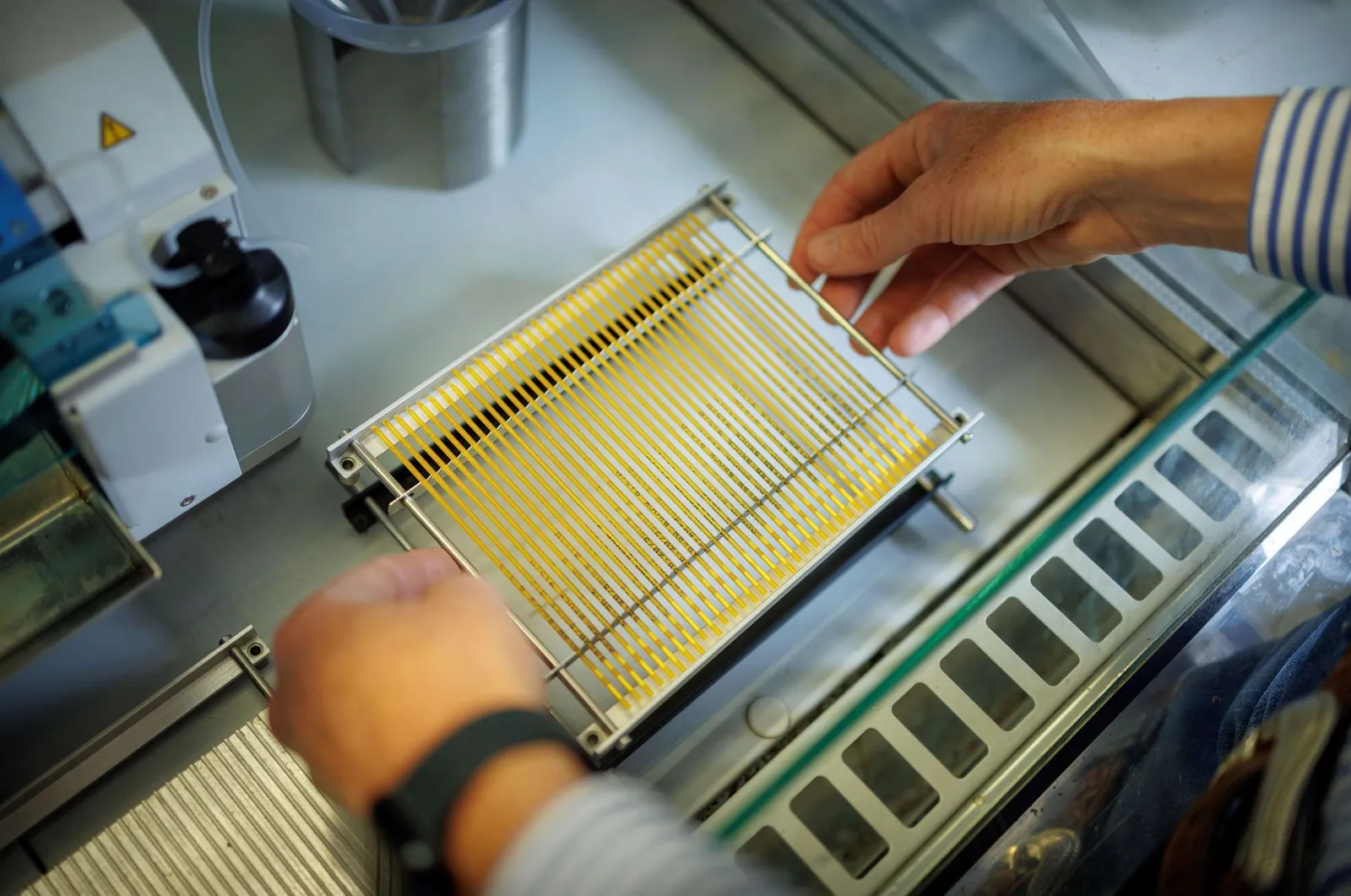
Elevate your breeding program with our premium straw printing services - designed to bring unmatched precision and professionalism to every step of the process. As part of our commitment to cutting-edge reproductive solutions, our customized straw labelling ensures your semen straws are accurately identified and fully traceable, every time. Whether you're working with bovine, canine, or equine genetics, our tailored labelling options meet the highest standards. For high-volume operations, our efficient batch printing guarantees consistent, high-quality labelling across all your straws - streamlining your workflow and reinforcing your brand’s credibility.

Semen morphology is the best detector of disturbances in spermatogenesis and is therefore one of the most important indicators of male fertility in all species.

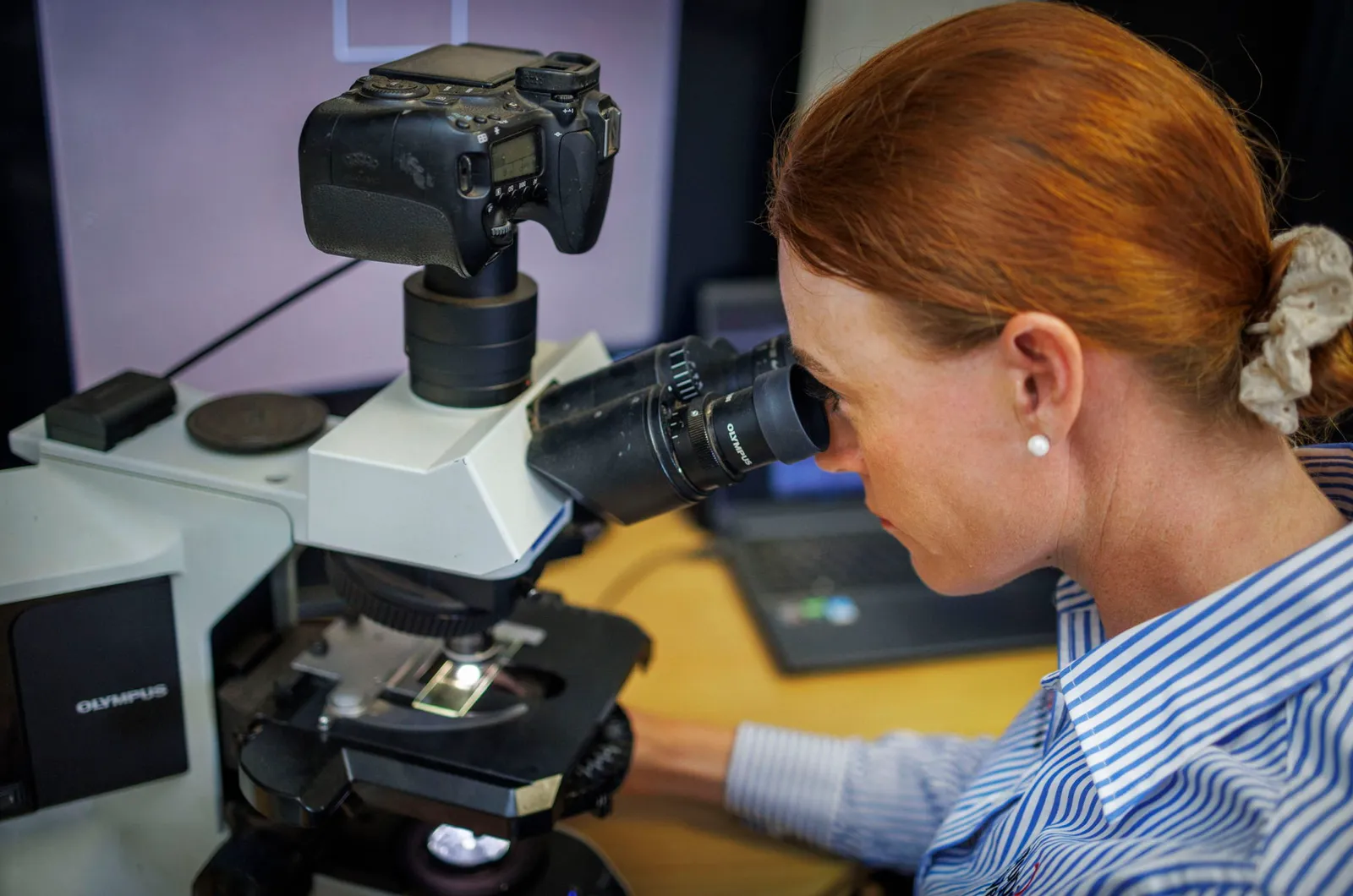
Conducting a morphological examination involves the detailed microscopic analysis of the shape, size and structure of the sperm in the ejaculate, as well as cytological assessment of additional cells. In conjunction with motility and numerical assessments, morphology analysis allows breeding recommendations to be made at both the individual and herd level.

At Gener8 we have in house morphology services (including third party services).

Gener8 Reproduction offers BREEDPLAN-accredited ultrasound services, providing accurate and consistent data to support informed breeding decisions. Our technicians conduct Intramuscular Fat (IMF), Eye Muscle Area (EMA), and fat depth scanning, ensuring reliable data for BREEDPLAN recording.

Developed in Australia and used globally, BREEDPLAN analyses millions of animals across multiple breeds to accelerate genetic progress. Using Best Linear Unbiased Prediction and multi-trait analysis, it calculates Estimated Breeding Values (EBVs) from pedigree, performance, progeny, and genomic data, enabling producers to confidently compare and select animals.

Pregnancy diagnosis is an important management tool, allowing cattle producers to identify cows which are not pregnant and so they can be removed from the breeding herd. This then allows them to focus on the pregnant, productive cows, as well as being able to group together cows that will calve at the same time for easier management. We are able to provide pregnancy diagnosis for herd management, artificial reproduction programs as well as for live export or other sale needs.

Our vets are experienced in transrectal ultrasound and manual testing, which can be undertaken with high accuracy as early as 6 weeks into gestation.

Disease investigations follow a structured process to identify the cause of illness, limit its spread, and prevent future outbreaks. The process begins with detailed history taking, including information on individual animals, herd management, recent introductions, vaccination status, feeding, and environmental conditions.

Veterinarians then examine both sick and healthy animals to assess signs of disease and its distribution within the herd, followed by an epidemiological assessment to identify patterns and possible sources. Diagnostic samples - such as blood, faeces, or tissue - may be collected for laboratory testing. Once a diagnosis is confirmed, a treatment and control plan is implemented, with ongoing monitoring to ensure the issue is resolved.

Vaccinations

Vaccinations are an important part of maintaining a healthy herd as they help prevent common diseases amongst livestock. The improved health and welfare of a vaccinated herd can also result in increased productivity.

Vaccinations recommended for North Queensland livestock include:

5 in 1

For the prevention of major life threatening clostridial diseases that commonly occur in cattle such as tetanus, black leg, enterotoxaemia (pulpy kidney disease), black disease and malignant oedema.

7 in 1

For the prevention clostridial diseases (as per 5 in 1) with added protection against common types of leptospirosis (which affect cattle and can also be transmitted to people)

Botulism

Whenever possible, cattle should be vaccinated well before any suspected period of risk. Vaccinating well before the ration is introduced is recommended.

Various effective botulism vaccines are available. Some newer vaccines require only a single shot (rather than the traditional 2 shots a month apart). Both the 1-shot and 2-shot vaccines produce a similar end result, and the decision on which type of vaccine to use depends largely on product cost and convenience.

All vaccines require boosters to maintain protective levels of immunity. Consult with your vet on the timing of booster vaccinations.

3-day sickness/ Bovine ephemeral fever (BEF)

There is a modified live vaccine for BEF that provides long-lasting protection. A 2-part vaccine - freeze-dried vaccine with chilled liquid adjuvant - that must be mixed prior to administering, it provides good levels of protection against BEF. While some cattle might still develop mild disease after vaccination, the severity and duration of illness tends to be much lower than in unvaccinated cattle.

The initial vaccine should be administered twice, 2–4 weeks apart, under the skin of the neck for long-lasting protection. To ensure that animals are fully immune before insect populations have the opportunity to breed, you should vaccinate before spring, especially in northern Australia.

An annual booster should be given 8–10 weeks before the BEF season.

Contact your veterinarian for advice on a vaccination program and use of the vaccine.

Pestigard

For prevention of Pestivirus  

Pestigard is registered in Australia to prevent pestivirus. There are no other registered vaccines. Two doses of Pestigard should be administered 4-6 weeks apart with annual boosters thereafter. However, the 2nd dose must be administered 2-4 weeks prior to joining. The first dose of Pestigard may be given up to 6 months before the second dose to suit management practices. Immunity does not develop until at least 14 days after the second dose. Pestigard is safe for pregnant cows. 

Vibrovax 

For the prevention of Vibriosis 

Vibromax is registered in Australia to prevent vibriosis in cattle. There are no other registered vaccines.

  • Prevents shedding of vibriosis to safeguard your heifers and cows reproductive potential

  • Can be used to vaccinate bulls, heifers and older cows.

  • Bulls can be vaccinated prior to mating, with two 5 mL doses a minimum of 4 weeks apart.

  • Heifers can be vaccinated after 18 months of age with a single 5 mL dose (2 doses are required if the program begins before this time)

An annual booster dose of 2 mL, or the convenience of a 5 mL dose every two years, will provide ongoing immunity against vibriosis.

Source: business.qld.gov.au

We stock a range of parasite control products – click here to visit our online store.

Visit our online store

For more information on surgery and health checks, please call the Gener8 team or contact your nearest Tropical Vets clinic.

Contact us